“`html
Understanding the Rise of Vertical Farming
The agricultural landscape is undergoing a dramatic transformation. Driven by a confluence of factors – climate change, population growth, and increasingly strained supply chains – traditional farming methods are facing unprecedented challenges. Amidst this shift, a compelling solution is gaining momentum: vertical farming. This innovative approach, once relegated to the realm of science fiction, is rapidly establishing itself as a significant player in the future of food production. But what exactly is vertical farming, and why is it becoming so prominent?
What is Vertical Farming?
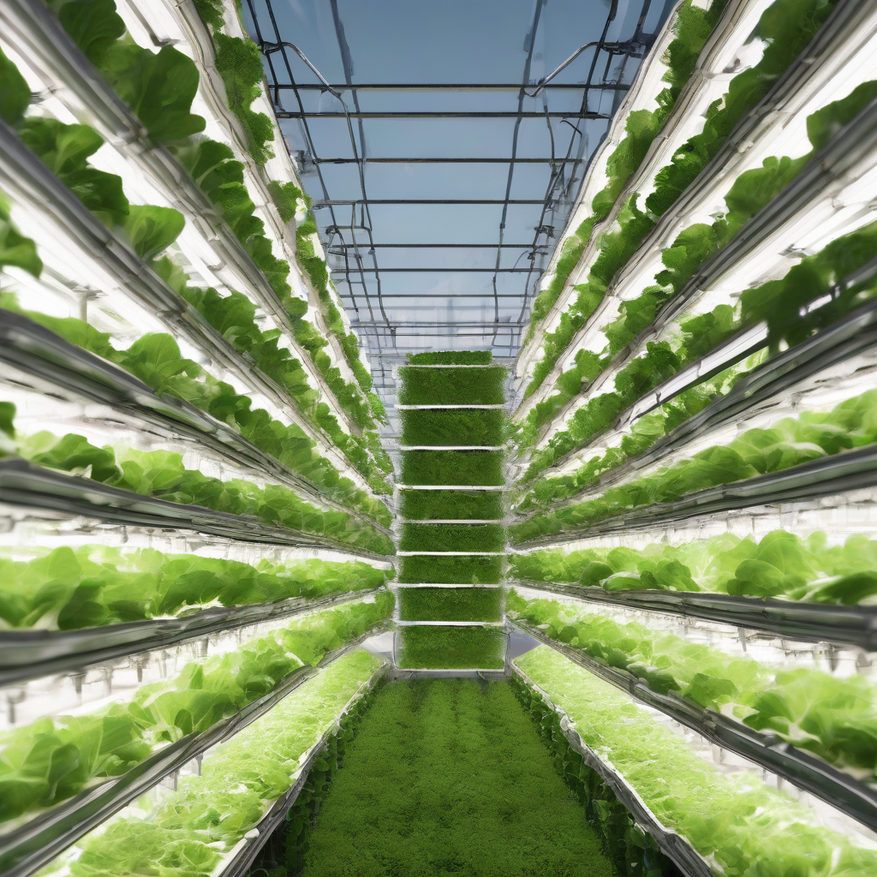
At its core, vertical farming is the practice of growing crops in vertically stacked layers, often within controlled indoor environments. Unlike traditional agriculture, which relies heavily on expansive outdoor land, vertical farms utilize technologies like LED lighting, hydroponics, aeroponics, and aquaponics to cultivate plants in a highly efficient and controlled setting. These systems minimize land usage, reduce water consumption, eliminate the need for pesticides and herbicides, and often allow for year-round crop production, regardless of external weather conditions.
Let’s break down some key technologies:
- Hydroponics: This technique involves growing plants without soil, using nutrient-rich water solutions. The roots are submerged in the water, providing them with everything they need to thrive.
- Aeroponics: Aeroponics takes it a step further by suspending plant roots in the air and periodically misting them with nutrient solutions. This method maximizes oxygen exposure to the roots, promoting faster growth.
- Aquaponics: Combining aquaculture (raising fish) with hydroponics, aquaponics creates a symbiotic system. Fish waste provides nutrients for the plants, and the plants filter the water for the fish.
- LED Lighting: Artificial lighting, specifically LED lights, is crucial for vertical farming. LEDs can be tuned to emit specific wavelengths of light that plants need for photosynthesis, significantly improving yields and plant health.
The Drivers Behind the Vertical Farming Trend
Several converging factors are fueling the rapid growth of vertical farming. The current agricultural system faces substantial hurdles that vertical farming is uniquely positioned to address:
- Climate Change: Rising temperatures, unpredictable weather patterns, and increasingly frequent extreme weather events are disrupting traditional farming practices globally. Vertical farms, operating in a controlled environment, are largely unaffected by these external climatic stresses.
- Population Growth: The global population is projected to reach nearly 10 billion by 2050. Feeding this growing population will require a dramatic increase in food production, placing immense pressure on existing agricultural resources.
- Land Scarcity: As urbanization continues, arable land is becoming increasingly scarce. Vertical farming effectively bypasses this issue by utilizing compact urban spaces, such as warehouses and abandoned buildings.
- Supply Chain Vulnerabilities: Recent global events have highlighted the fragility of long-distance supply chains. Local and regional food production, facilitated by vertical farms, can significantly enhance food security and reduce transportation costs and carbon emissions.
- Sustainability Concerns: Traditional agriculture is a major contributor to greenhouse gas emissions, water pollution, and soil degradation. Vertical farming’s resource efficiency – significantly reduced water usage, elimination of pesticides, and localized operations – offers a far more sustainable alternative.
Types of Vertical Farming Systems
Vertical farming isn’t a monolithic concept. Different systems cater to varying scales, crops, and budgets. Here’s a look at some common configurations:
- Building-Based Vertical Farms: These are large-scale operations housed within repurposed or specially designed buildings. They often employ sophisticated environmental control systems and can produce a wide variety of crops.
- Container Farms: Transportable shipping containers are converted into self-contained vertical farms. Their modular design makes them easily scalable and adaptable for diverse locations.
- Rooftop Vertical Farms: Utilizing the unused space on building rooftops offers a convenient solution for urban food production.
- Home and Micro-Vertical Farms: Smaller-scale systems, suitable for individual households or small businesses, allow consumers to grow fresh herbs and vegetables at home.
Benefits of Vertical Farming
The advantages of vertical farming extend far beyond simply producing food. The benefits are multi-faceted:
- Higher Yields: Controlled environments and optimized growing conditions lead to significantly higher crop yields per square foot compared to traditional farming.
- Reduced Water Consumption: Vertical farming systems, particularly hydroponic and aeroponic setups, can use up to 95% less water than conventional agriculture.
- Year-Round Production: Independent of seasonal weather conditions, vertical farms can maintain consistent crop production throughout the year.
- Minimal Pesticide Use: The controlled environment reduces the risk of pests and diseases, eliminating the need for harmful pesticides.
- Reduced Transportation Costs: Locating farms closer to urban centers minimizes transportation distances and associated costs.
- Increased Food Security: Localized food production enhances food security and reduces reliance on external supply chains.
Challenges and Future Developments
Despite its enormous potential, vertical farming still faces several challenges. The initial capital investment can be substantial, and operating costs – particularly energy consumption – can be high. However, ongoing advancements are steadily addressing these concerns:
- Energy Efficiency: Researchers are actively exploring renewable energy sources, such as solar and wind power, to power vertical farms and reduce their carbon footprint.
- Automation and Robotics: Implementing automation and robotics can streamline operations, reduce labor costs, and improve efficiency.
- Crop Variety: While leafy greens and herbs are currently the most common crops grown in vertical farms, research is expanding to include fruits, vegetables, and even grains.
- Controlled Environment Agriculture (CEA) Technology: Continued improvements in sensors, climate control systems, and lighting technologies will further optimize growing conditions and maximize yields.
- Data Analytics and AI: Utilizing data analytics and artificial intelligence to monitor plant health, optimize resource allocation, and predict yields is becoming increasingly prevalent.
Looking Ahead
Vertical farming is not a replacement for traditional agriculture, but rather a complementary approach. It represents a significant step toward creating a more resilient, sustainable, and localized food system. As technology continues to advance and costs continue to decline, vertical farming is poised to play an increasingly vital role in feeding the world’s growing population while minimizing its environmental impact. It’s a fascinating and rapidly evolving field with the potential to revolutionize how we produce and consume food in the 21st century and beyond. The dream of fresh, locally-grown produce available year-round, regardless of location, is rapidly becoming a tangible reality thanks to the innovations within vertical farming.
“`